If you study Italian, you have wondered at least once about the difference between “stare” and “essere”. But probably more than once!
Why do we need to use the verb “stare” to ask “how are you?” and not the verb “to be”? Are the two interchangeable? They are not.
Most students get confused because the two verbs are actually very similar in their meanings so it is easy to mix them up, especially if you are a native English speaker.
But fear not, dear student: read this post carefully, practice a bit, and you won’t get it wrong again.
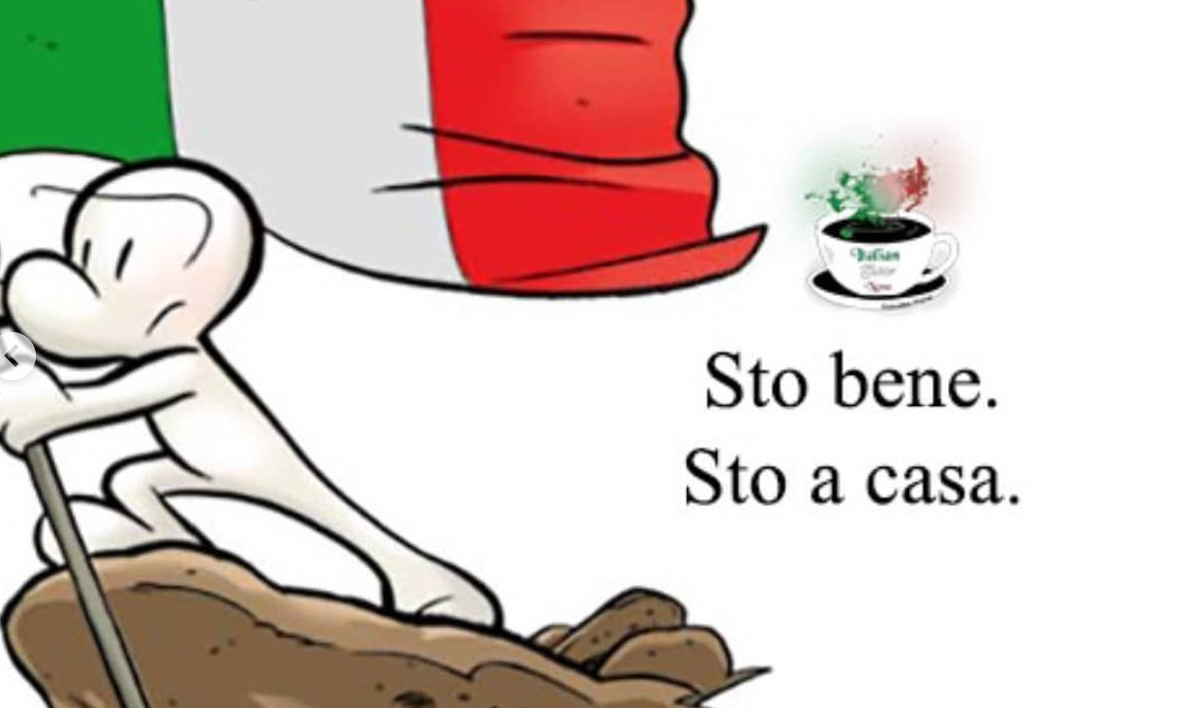
“Stare” is used to describe a physical or psychological state, so it is used to ask “how are you” and to answer this question. It also means “stay” as in “to remain“, so it is used to describe one’s location: “sto a casa” means “I stay / remain home”.
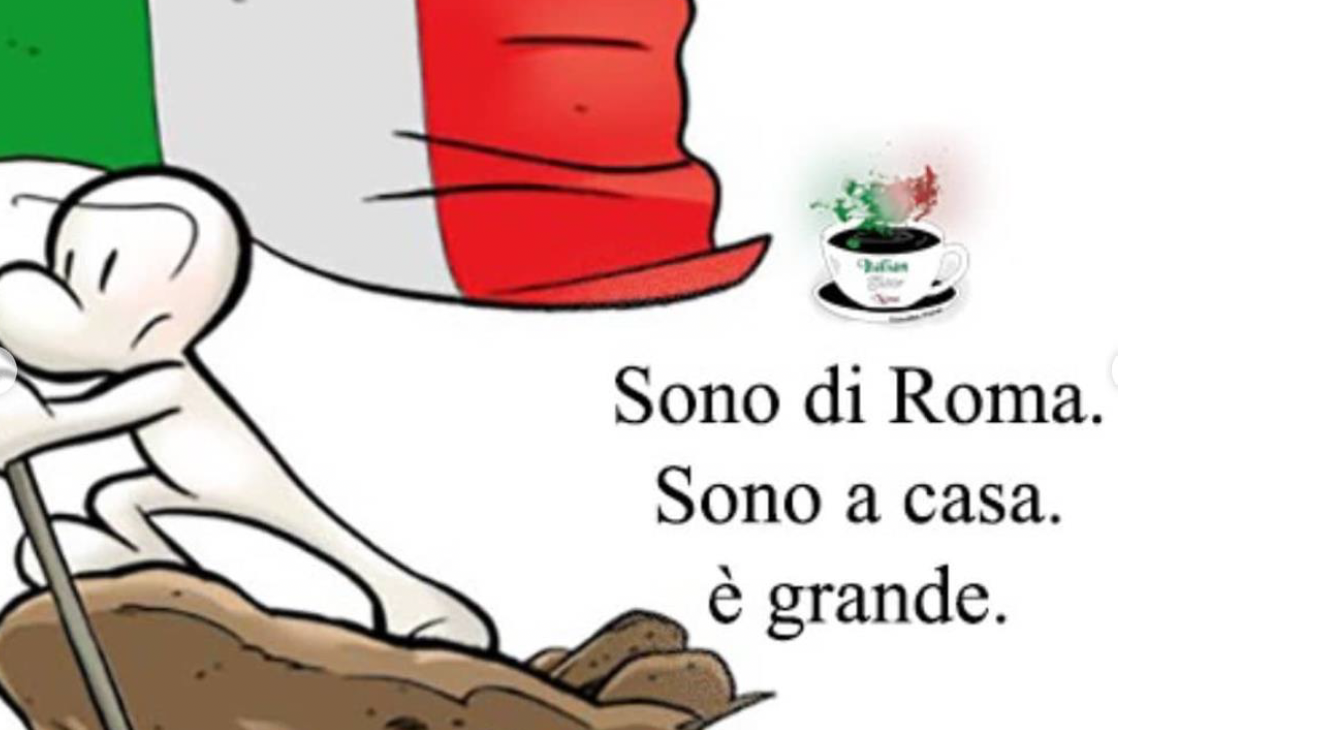
“Essere”, “to be” describes the geographical origins, but also the characteristics of an object or person, so it goes with an adjective: “è bello/ grande / importante”. It also describes a more temporary location: “sono a casa” means “I’m home now”, it doesn’t mean that I’m remaining there.
ADVANCED+ LEVELS ONLY –>
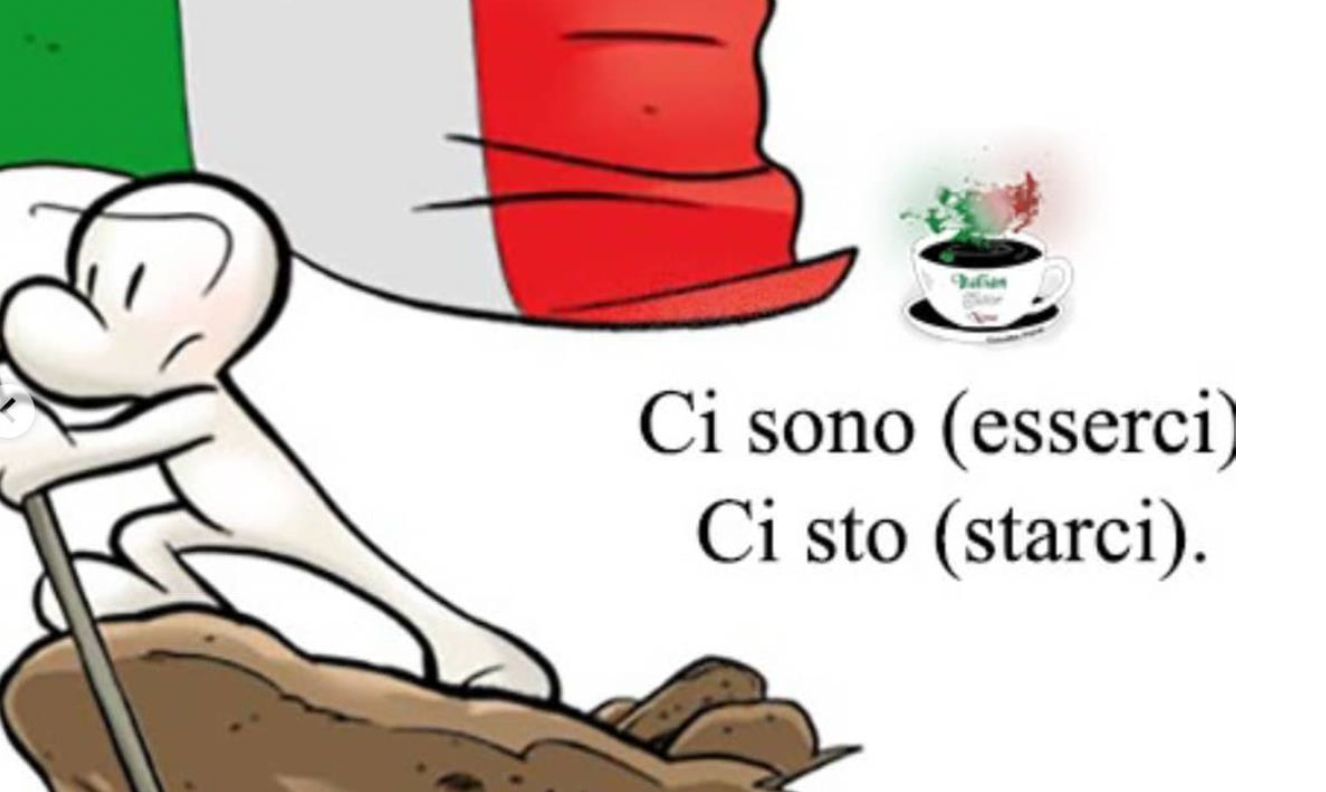
Both “essere” and “stare” can go with the pronoun “ci” to describe different things: “c’è” means “there is”, “ci sono” means “there are” and “ci sto” means “I’m in!”.
Practice here: